
Fund PPM software
A PPM drafted for fund vehicles and discretionary portfolios
Fund PPMs differ from single-asset syndication PPMs in shape and in LP expectations, portfolio construction, commitment and drawdown mechanics, key-person provisions, and a longer fund life. PPMWizard organizes core fund inputs into a draft while leaving bespoke fund terms for counsel.
No card required. Export one offering for $29, or unlimited drafts and exports for $49/month while Pro is active.
Drafting software. Attorney review required before issuance. Legal and filing costs are separate.
Open a full fictional PPM sample
Fictional VC fund example
Overland Ventures Fund I
Target raise
$25M
Minimum commitment
$100K
Your terms become an editable draft for counsel review.
Image and sample offering are illustrative.
Questions that fit your deal
Asset-specific inputs and editable narrative sections.
See the draft as you go
A connected on-screen preview before you pay.
Give counsel a working file
Paid Word and PDF exports for review and revision.
Try a few inputs
See how your deal takes shape on the page.
Change the example terms and watch the draft update. This simplified illustration shows the input-to-document workflow. Open the full demo to explore more of the actual workspace.
- 1
Define the investment strategy
Explain the fund thesis, stages, sectors, and intended investment process.
- 2
Describe portfolio construction
Record how the fund will allocate capital across initial and follow-on investments.
- 3
Record the decision process
Explain the people and governance behind investment selection.
PPMWizard workspace
Simplified interactive illustration
Try your terms
Change a term to update the draft excerpt and budget amounts. These demo edits stay on this page.
Draft excerpt
Updates as you typeVenture / Private Equity Fund · Private placement memorandum
Overland Ventures Fund I
The proposed offering targets $25,000,000 in commitments, with a minimum investment of $100,000. Final terms and disclosures require issuer and counsel review.
Target raise
$25,000,000
Minimum investment
$100,000
Venture / Private Equity Fund · Private placement memorandum
Overland Ventures Fund I
This illustrative budget allocates the $25,000,000 target across portfolio investments, reserves, and offering expenses. Adjust reserves below to see the composition change.
Venture / Private Equity Fund · Private placement memorandum
Overland Ventures Fund I
Example topics for Overland Ventures Fund I. Select, revise, and add disclosures with counsel for the actual offering.
- Portfolio performance and concentration
- Manager discretion and conflicts
- Illiquidity and loss of capital
Illustrative topics only. This is not a complete risk assessment.
- Portfolio investments · 80%
- $20,000,000
- Reserves · 15%
- $3,750,000
- Offering expenses · 5%
- $1,250,000
Illustrative budget inputs, not a return model or forecast. Edit the reserve percentage in Use of proceeds.
Nothing is saved or submitted. Attorney review required before issuance.
Read the full fictional sampleMake the numbers easier to review
Explain the sample reserve policy
The Overland sample reserves approximately half of a $25M fund for follow-on investments. The remaining budget includes initial investments and fund expenses.
Structured inputs organize the financial narrative. This chart illustrates sample inputs, rather than a built-in investment-performance forecast. Deal-specific models and calculations need separate validation.
Read the source sample- Follow-on reserve budget$12.5M
- Remaining fund budget$12.5M
Fictional planning inputs. The sample says approximately 50%; this graphic uses exactly 50% for illustration, not actual deployment or returns. Illustrative follow-on reserve = 50% of $25,000,000. Remaining budget = $25,000,000 minus that reserve.
The details, when you need them
What this starting point covers.
Review the workflow, fit, and boundaries with your team. Your attorney determines the final disclosure and document scope.
Browse the help centerWhat this framework is
The fund framework covers discretionary investment vehicles, real estate funds, private-credit funds, venture funds, and farmland funds, where the sponsor is raising a pool of capital to deploy across multiple investments rather than one identified asset.
Fund PPMs may address the core subjects found in a deal-specific PPM plus commitment and drawdown mechanics, portfolio-construction rules, fund life and extensions, successor-fund restrictions, and key-person provisions. PPMWizard supplies structured inputs for some of those topics, not a complete negotiated fund document set.
When it may fit
The fund framework may fit when the sponsor is raising discretionary capital without one identified asset, when the thesis is defined by an asset class and strategy, or when the vehicle uses a fund life, commitment period, or portfolio-construction rules.
For a raise tied to one identified deal, compare the corresponding deal-specific asset workflow. Counsel should confirm whether the fund or deal-specific structure matches the governing documents and offering plan.
PPMWizard's tuning for this framework
For a venture fund, PPMWizard provides structured steps for investment strategy, portfolio construction, investment-committee inputs, and fund-of-funds status, alongside fee, governance, risk, and waterfall inputs. The waterfall workflow supports European or deal-by-deal inputs. The securities-law selection remains separate, such as 506(b), 506(c), or Regulation S where applicable; PPMWizard does not choose it for the issuer.
PPMWizard does not automatically draft bespoke commitment and drawdown remedies, LP-default provisions, key-person or successor-GP mechanics, most-favored-nation rights, clawbacks, or advisory-committee powers. Put specialized facts in narrative or custom risks and have fund counsel reconcile the PPM, governing agreement, and subscription documents.
Open the output
Read a full draft before you start yours.
Fictional examples you can open without an account. Explore the layout, deal terms, disclosures, and supporting sections.
Desert Ridge Apartments
Phoenix-Mesa-Scottsdale, AZ
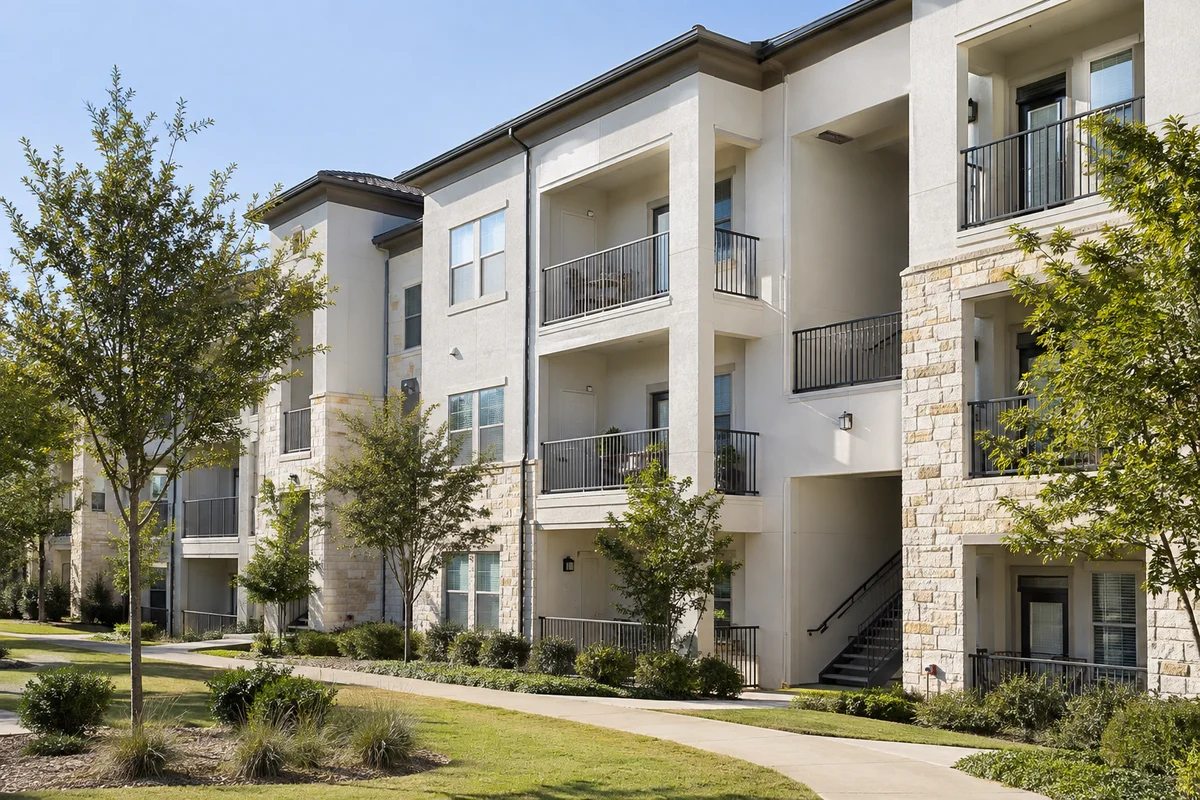
Target raise
$8.5M
Minimum
$50K
506(c) · Multifamily
Sunbelt Value-Add Multifamily
96-unit 1990s-vintage garden-style community, $2.4M value-add interior program.
Read the full sampleOverland Ventures Fund I
United States, Pre-Seed / Seed

Target raise
$25M
Minimum
$100K
506(c) · VC Fund
Emerging Manager Fund I, Pre-Seed
First-close emerging manager pre-seed fund investing in 30–40 portfolio companies across vertical SaaS and applied AI.
Read the full sampleStart with your deal
You have the terms.
Give them a working draft.
Draft and preview up to three offerings free. Add detail at your pace, then unlock exports when you are ready for counsel review.
One offering
Export package and later revisions to that offering.
$29once
Pro monthly
Unlimited drafts and supported exports while active.
$49/mo
USD software prices. Counsel, filing fees, other vendor charges, and any applicable taxes are separate.
A few practical questions
Before you start.
What can I try before paying?
Create up to three offerings and review the on-screen draft previews without a card. Editable Word, PDF, and other supported exports require paid access.
Does the software replace securities counsel?
No. This is drafting software. You retain qualified securities counsel separately to confirm the structure, exemption, disclosures, calculations, and final document before issuance.
How do I choose the right starting point?
Review the sample and the workflow details with your counsel. Select the asset workflow and offering framework that match the actual transaction; the software does not determine eligibility or legal compliance.