
01
Property details with a place to go
Keep the operating plan beside the facts that support it, rather than scattering the story across files.
- Property and market narrative
- Rent roll and unit mix
- Capital improvements and environmental inputs
Real estate PPM software
Bring the property, financing, budget, and investor terms into one guided workspace. See the draft take shape as you build a real estate offering for counsel to review.
No card required. Export one offering for $29, or unlimited drafts and exports for $49/month while Pro is active.
Drafting software. Attorney review required before issuance. Legal and filing costs are separate.
Open a full fictional PPM sample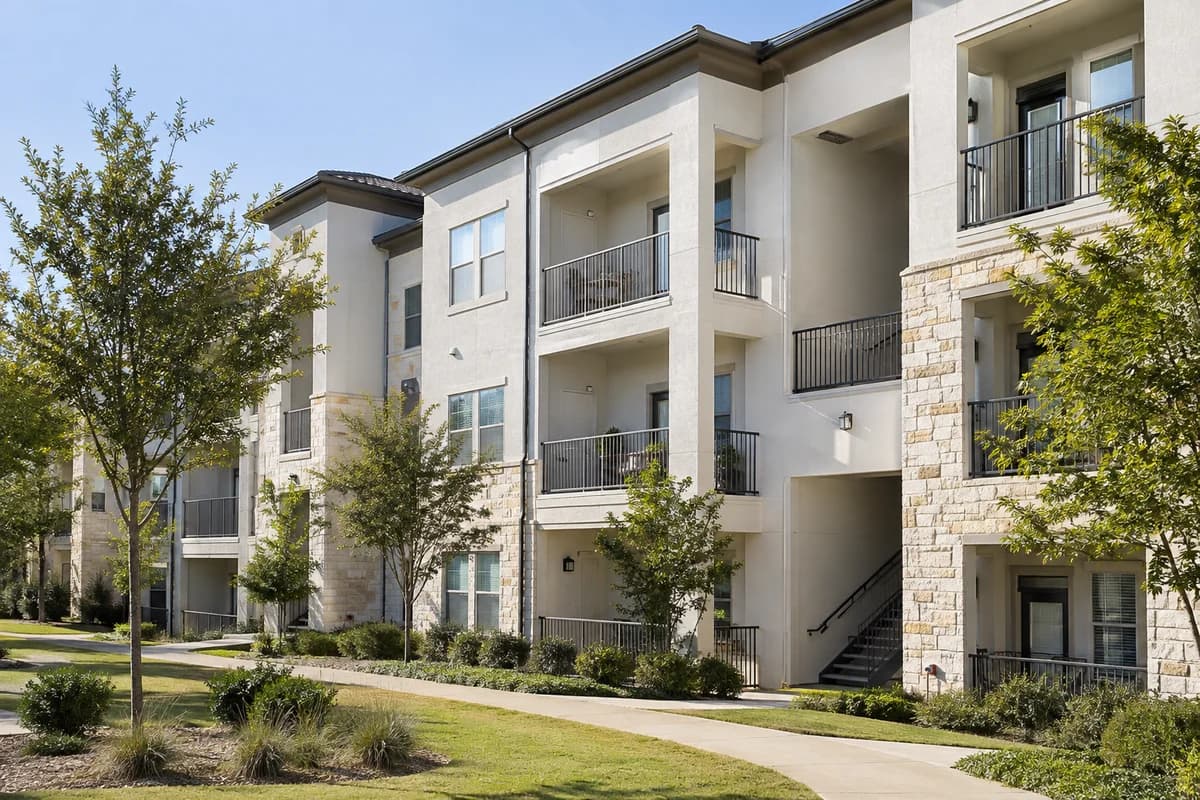
Illustrative draft inputs
Desert Ridge Apartments
Target raise
$8.5M
Minimum commitment
$50K
Your terms become an editable draft for counsel review.
Image and sample offering are illustrative.
Questions that fit your deal
Asset-specific inputs and editable narrative sections.
See the draft as you go
A connected on-screen preview before you pay.
Give counsel a working file
Paid Word and PDF exports for review and revision.
Try a few inputs
Change the example terms and watch the draft update. This simplified illustration shows the input-to-document workflow. Open the full demo to explore more of the actual workspace.
Describe the property
Start with the asset, location, unit mix, and acquisition strategy.
Build the deal economics
Add the rent roll, capital budget, loan terms, and distribution inputs.
Review the investor story
Choose relevant risks and read the assembled draft before counsel review.
PPMWizard workspace
Simplified interactive illustration
Try your terms
Change a term to update the draft excerpt and budget amounts. These demo edits stay on this page.
Draft excerpt
Updates as you typeReal Estate · Private placement memorandum
The proposed offering targets $8,500,000 in commitments, with a minimum investment of $50,000. Final terms and disclosures require issuer and counsel review.
Target raise
$8,500,000
Minimum investment
$50,000
Real Estate · Private placement memorandum
This illustrative budget allocates the $8,500,000 target across property investment, reserves, and offering expenses. Adjust reserves below to see the composition change.
Real Estate · Private placement memorandum
Example topics for Desert Ridge Apartments. Select, revise, and add disclosures with counsel for the actual offering.
Illustrative topics only. This is not a complete risk assessment.
Illustrative budget inputs, not a return model or forecast. Edit the reserve percentage in Use of proceeds.
Nothing is saved or submitted. Attorney review required before issuance.
Read the full fictional sampleInside the real estate workflow
01
Keep the operating plan beside the facts that support it, rather than scattering the story across files.
02
Real estate calculator inputs connect rent, expenses, debt, exit assumptions, and distribution terms.
03
Organize the sponsor, use of proceeds, fees, risks, and investor process into a document you and counsel can revise.
Make the numbers easier to review
The Desert Ridge sample separates investor equity, sponsor equity, and debt. These are proposed financing inputs, not capital raised.
The real-estate workflow includes sources and uses, underwriting inputs, cash-flow tables, and waterfall tools. Review assumptions and reconcile the financial model with the draft before sharing it.
Read the source sampleFictional sample, $13.2M total capitalization. Actual amounts and underwriting require independent validation.
The details, when you need them
Review the workflow, fit, and boundaries with your team. Your attorney determines the final disclosure and document scope.
Browse the help centerThe real estate framework walks you through the sections commonly addressed in a private placement memorandum: cover page and investor-suitability notices tuned to your exemption, an executive summary tied to your underwriting inputs, a sponsor-track-record section, a property and market description, a use-of-proceeds block, a sources-and-uses table, a pro forma and cash-flow projection, a distribution waterfall (preferred return, catch-up, promote, IRR hurdles), a risk-factor section filtered for real estate, entity and security terms, subscription mechanics, and signature exhibits.
The wizard includes real-estate-specific numerics, rent growth, vacancy, operating-expense ratio, cap-rate assumption, loan terms, so counsel can review a draft organized around the deal rather than a generic fund template. Specialized property facts that are not represented by a dedicated field belong in the relevant narrative section or custom risks and require counsel review.
Use the real estate framework when the offering is tied to one or more specific properties, a single-asset multifamily value-add, a two-property industrial portfolio, a ground-up development, a net-lease retail roll-up. It also fits some multi-asset real estate strategies where the thesis is tied to a property type or MSA rather than a specific building.
If the deal is primarily an operating-business acquisition that happens to own real estate, a hotel brand with owned hotels, a self-storage operating platform, the business-acquisition framework is often the better starting point. Choose the framework that matches the primary investment thesis and have counsel confirm the document structure.
A real-estate offering may use an LLC or partnership, membership or partnership interests, debt, a preferred return, and one or more promote hurdles. Those terms are deal-specific rather than defaults. PPMWizard separates the vehicle and asset workflow from the exemption choice, including Rule 506(b) and 506(c); counsel should confirm the structure, exemption, economics, and resulting language.
Open the output
Fictional examples you can open without an account. Explore the layout, deal terms, disclosures, and supporting sections.
Phoenix-Mesa-Scottsdale, AZ
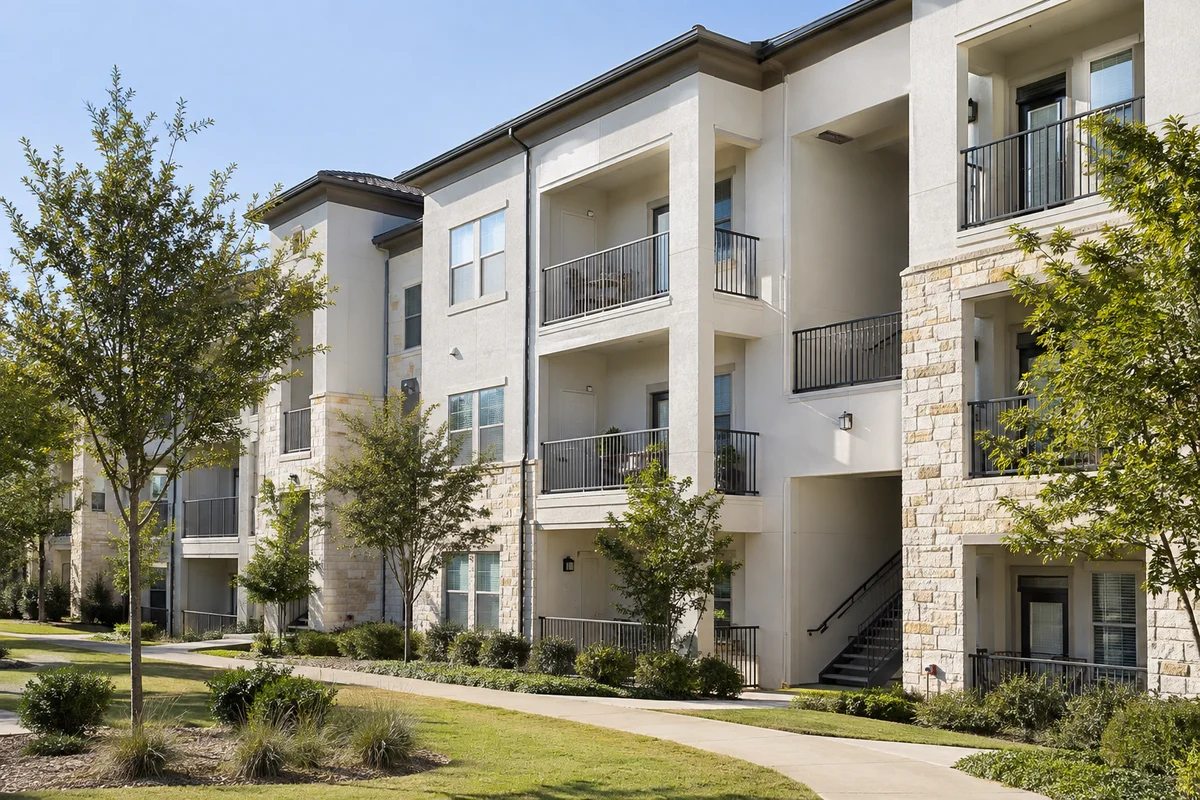
Target raise
$8.5M
Minimum
$50K
506(c) · Multifamily
96-unit 1990s-vintage garden-style community, $2.4M value-add interior program.
Read the full sampleDallas-Fort Worth-Arlington, TX
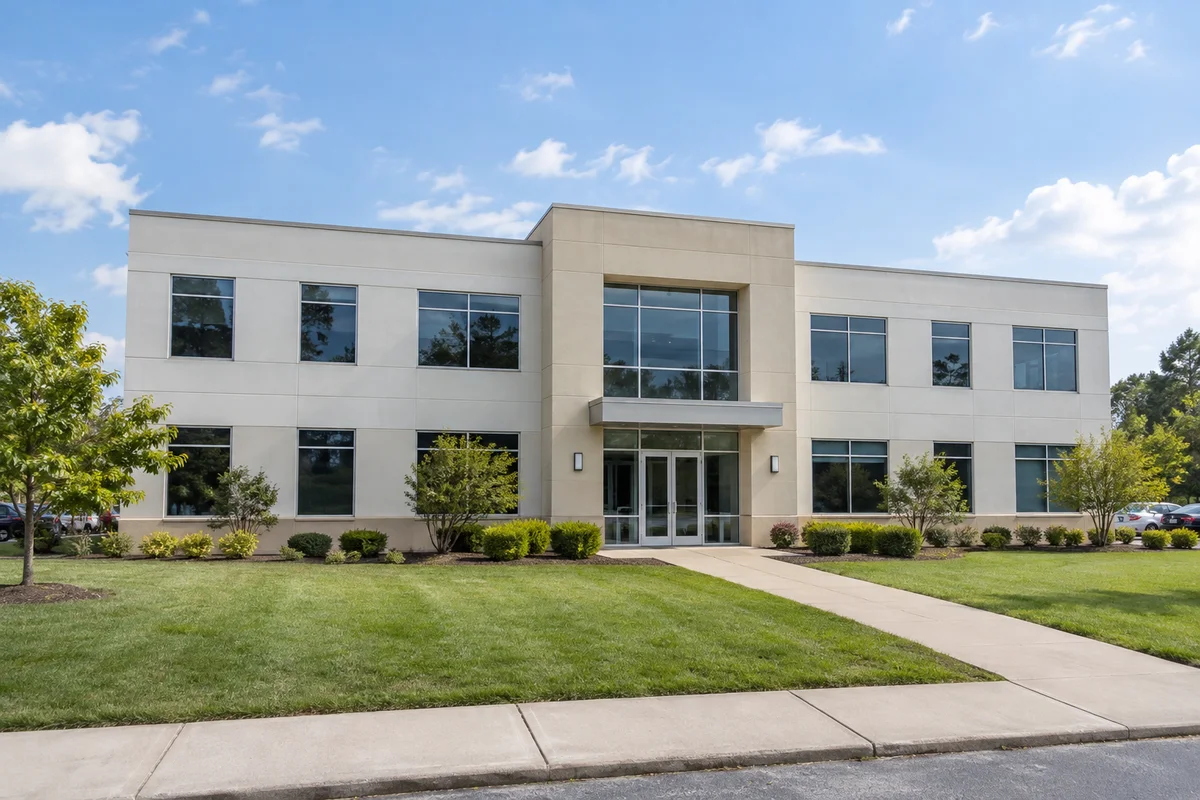
Target raise
$12.4M
Minimum
$100K
506(c) · Office
Class B+ suburban office campus in Plano corridor with creative-office repositioning.
Read the full sampleAtlanta-Sandy Springs-Alpharetta, GA
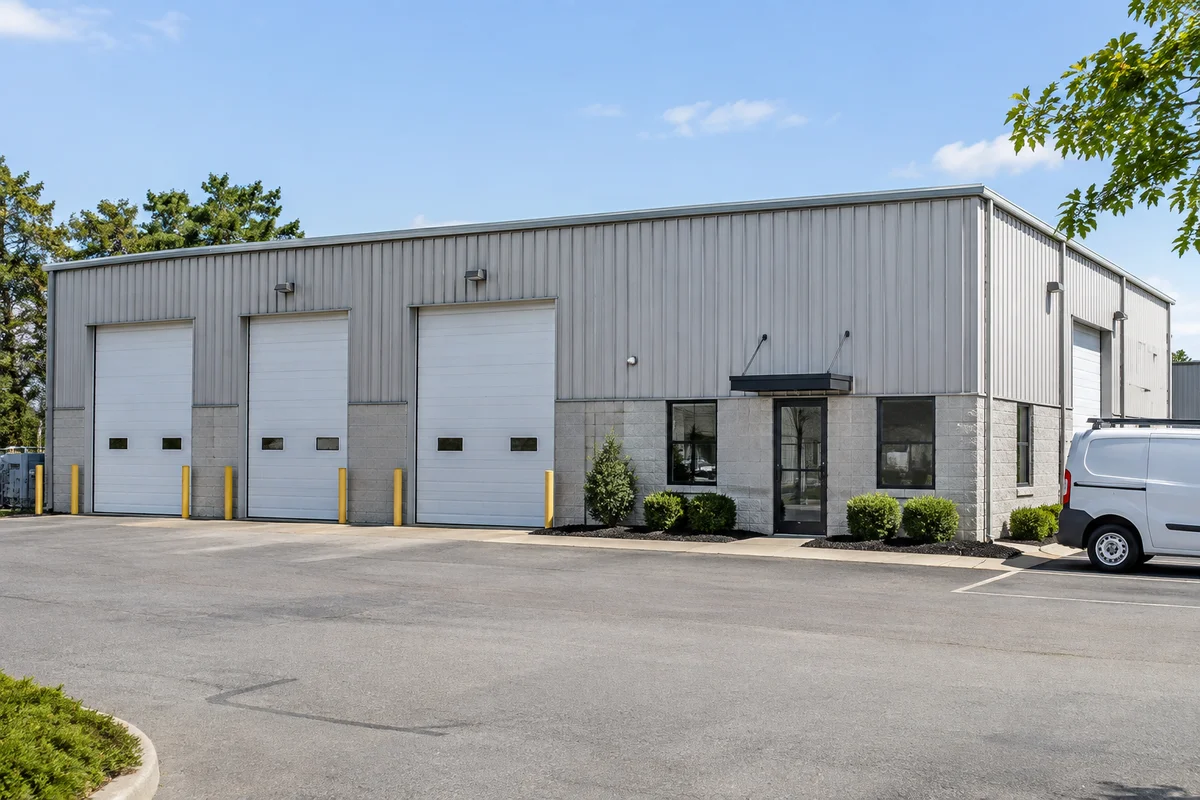
Target raise
$32M
Minimum
$250K
506(c) · Industrial
Three-building 485,000 sq ft last-mile portfolio in southwest Atlanta infill submarkets.
Read the full sampleStart with your deal
Draft and preview up to three offerings free. Add detail at your pace, then unlock exports when you are ready for counsel review.
Export package and later revisions to that offering.
$29once
Unlimited drafts and supported exports while active.
$49/mo
USD software prices. Counsel, filing fees, other vendor charges, and any applicable taxes are separate.
A few practical questions
The real estate workflow supports multifamily, office, retail, industrial, hospitality, self-storage, mobile home parks, mixed-use, land, and net-lease offerings. It uses a general real estate model. Add specialized property facts and risks in narrative or custom disclosures.
The real estate workflow includes a calculator for the supported preferred-return and promote structure, with operating and exit assumptions. It does not validate your underwriting or replace counsel review of the governing distribution terms.
You can start free and inspect an on-screen draft preview. Paid access enables supported exports. The completed offering still needs deal-specific review by securities counsel before issuance.